
About 45 people joined The Sarah Ralston Foundation on October 28 at the NewCourtland Conference Center for Connecting & Communicating with Older Adults: Listening, Adapting, and Supporting Independence, a morning focused on how we can better listen to, communicate with, and support older adults across a wide range of experiences and needs.
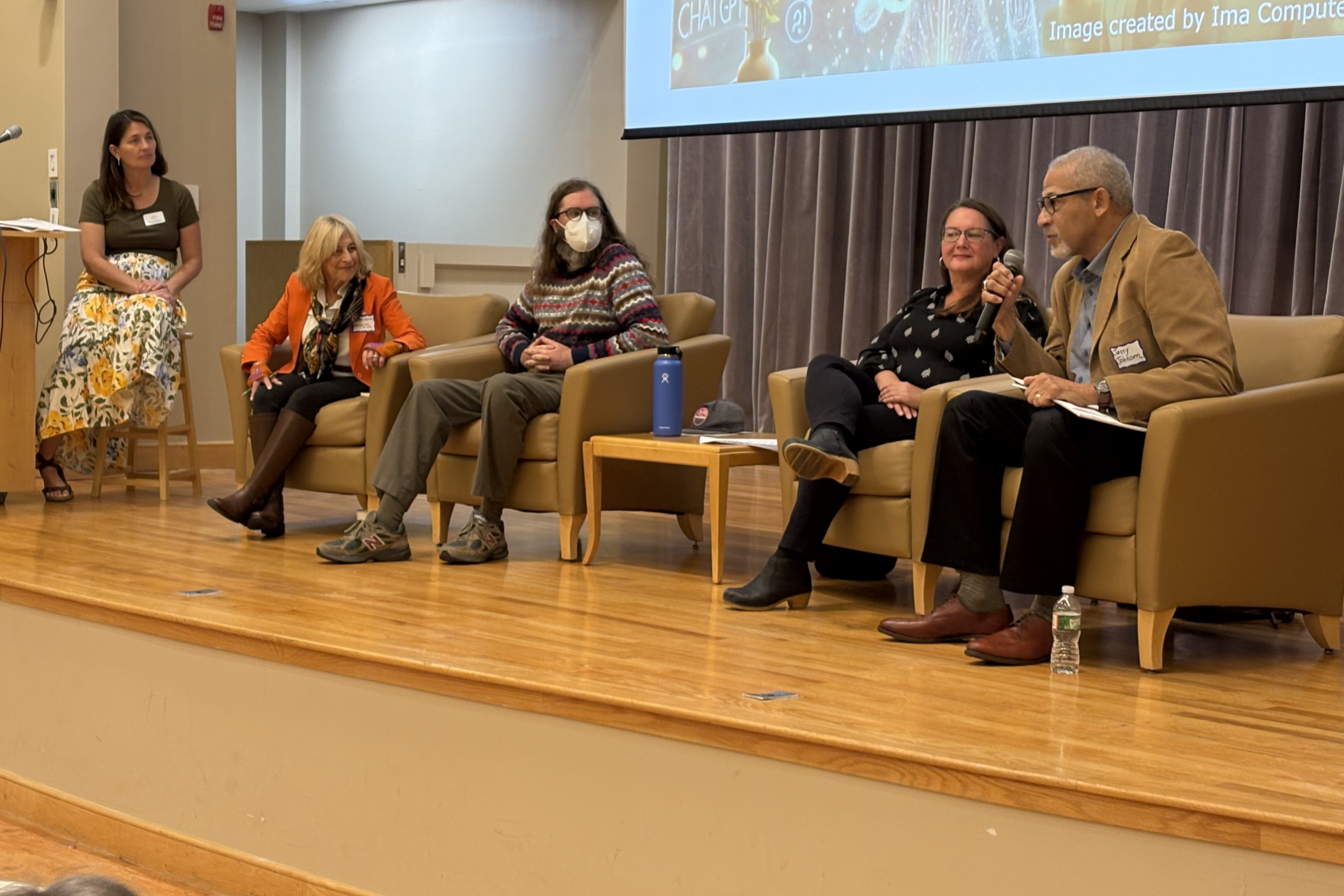
Executive Director Heather Finnegan moderated a panel featuring Jerry Johnson, M.D., Emeritus Professor of Medicine at the University of Pennsylvania and a nationally recognized leader in geriatrics and aging; Jeanette Gallagher, a geriatric social worker with the Geriatric Medicine Division at Penn Medicine; Tobey Dichter, founder and CEO of Generations on Line and a longtime advocate for digital inclusion among older adults; and Shane Farrell, Director of Programs at ARTZ Philadelphia, whose work centers on creative engagement with people living with dementia.
During the panel discussion, Dr. Johnson addressed a question from the audience about whether people living with dementia are aware of their diagnosis. He explained that while many people do know they have dementia, it is also common for them not to connect certain behaviors or changes to the condition — or not to disclose the diagnosis even when they are aware of it.
That opens up an important communication challenge for families, caregivers, and professionals: what we observe may not always be understood or described in the same way by the person experiencing it.
Gallagher spoke about preparing students to work with older adults and the importance of exposing them to the enormous diversity within this population. “Don’t put people in a box,” she said. She encourages students to spend time with older adults in different settings and have one-on-one interactions that challenge assumptions about what aging looks like.
Farrell drew on ARTZ Philadelphia’s work with people living with dementia, where participants are encouraged to interpret art without being corrected. “There are no wrong answers.” If someone sees something entirely different in a work of art, he explained, the goal is to follow them into that experience rather than redirect them — allowing the person to express what they see and where the conversation takes them.
Dichter brought the conversation to technology, noting that roughly one-quarter of adults 65 and older are not online. Her advice for helping older adults engage with technology also captured a larger theme of the morning: “When we try to understand them, we start with where they are.”
The morning also featured Community Spotlights from African Family Health Organization’s Wisdom Village and Philadelphia Chinatown Development Corporation’s Crane’s N.E.S.T., along with Dichter’s demonstration of Generations on Line’s IMAComputer.
Some of the richest conversations happened when participants turned to one another. Small groups talked about culturally responsive communication, adapting programs as needs change, navigating dementia within families, creating safe spaces for difficult conversations, and the importance of thinking ahead about our own care and end-of-life wishes.
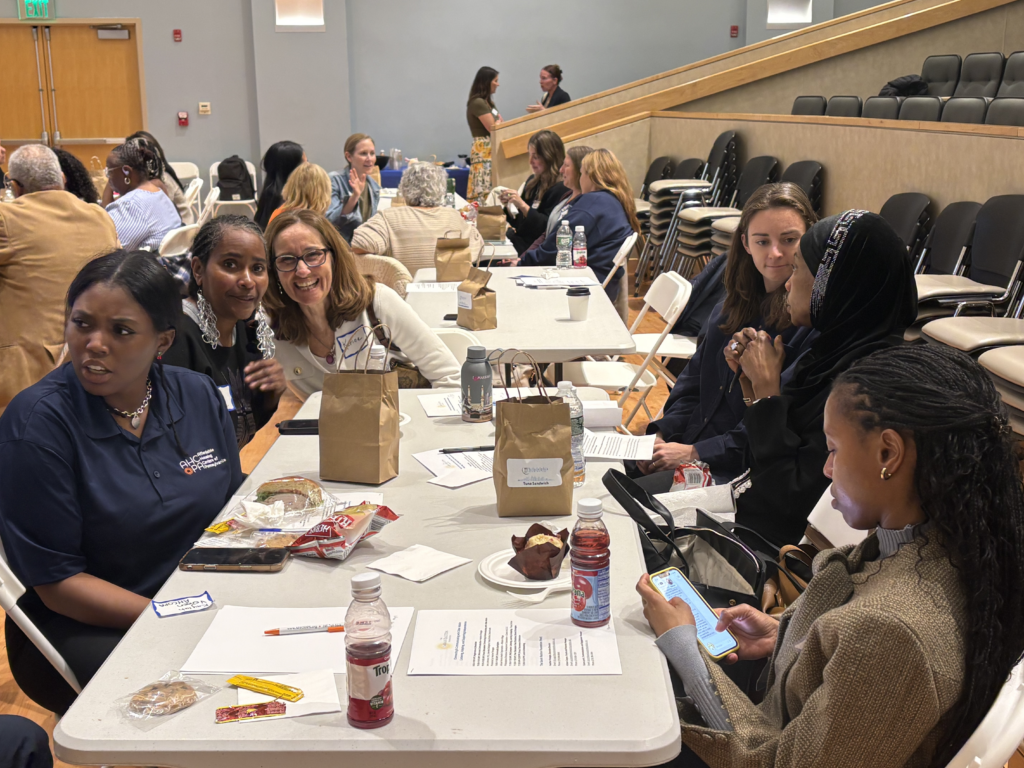
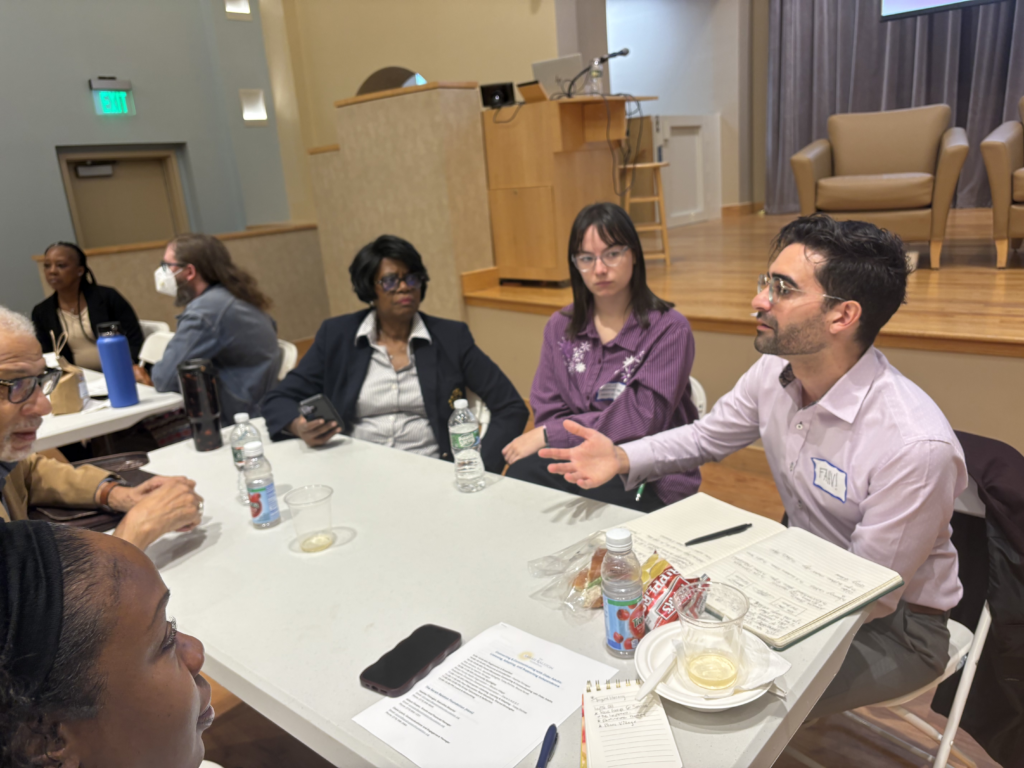
“The content matters, but so does having time to be together — to talk honestly about the challenges we’re facing, learn from one another, and remember that none of us has to solve these problems alone,” Finnegan said.
Participants echoed that theme in their feedback. One wrote, “Engagement begins with trust and trust starts with making people feel seen, heard and valued.” Another said they “loved the combo of panel, presentation, and group discussion.”
For The Sarah Ralston Foundation, creating opportunities like this is about more than sharing information. It is also about helping organizations connect, learn from one another, and recognize the expertise that already exists across our community.