


On Wednesday, January 21st, more than 100 nonprofit leaders, funders, and community partners gathered at NewCourtland Conference Center for a timely conversation on food access through the Stronger Together Nonprofit Learning Series, hosted by Sarah Ralston Foundation in partnership with Philabundance founder Pamela Rainey Lawler.
The convening brought organizations together at a moment when rising costs, growing demand, and increasingly complex client needs are straining food security systems across the region. As Sarah Ralston Foundation Executive Director Heather Finnegan noted, food insecurity cannot be addressed in isolation—it intersects with housing stability, health, employment, and overall well-being. Addressing it requires collaboration, not competition.
Participants represented organizations directly involved in food access as well as those whose clients face food insecurity as part of broader services. The session created space for honest dialogue about challenges, shared successes, and opportunities for collective action.
Panel Discussion Highlights
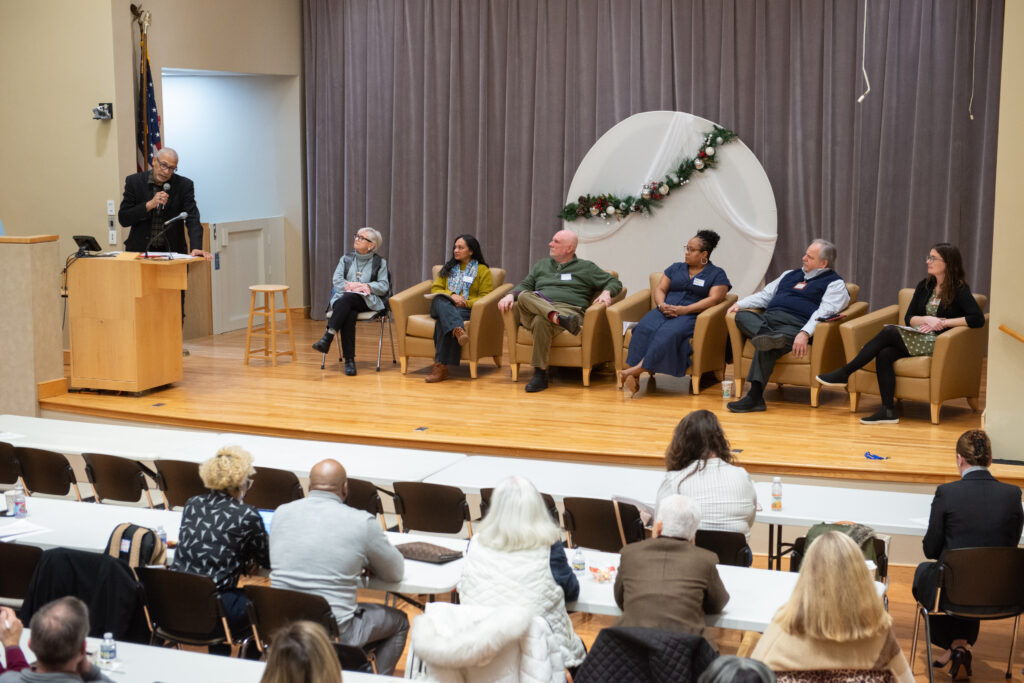
The morning opened with a moderated panel discussion exploring the current landscape of food security and where partnerships can help close widening gaps. Panelists represented multiple points along the food access continuum:
Megha Kulshreshtha of Food Connect Group, speaking on advocacy and policy
Vincent Schiavone, CEO of Caring for Friends, addressing bulk buying and distribution
Rhena McClain of Episcopal Community Services, sharing fundraising and service perspectives
Heather Finnegan of the Sarah Ralston Foundation, focusing on partnerships and collaboration
Tony D’Orazio of Carversville Farm Foundation, highlighting fresh food access and grower partnerships
The discussion was co-moderated by Pamela Rainey Lawler and Dr. Jerry Johnson, Vice President of the SRF Board.
Panelists described mounting pressures across the system: client counts rising, competition for funding increasing, budgets stretched by inflation, and nonprofit staff experiencing exhaustion. At the same time, logistical bottlenecks continue to grow—limited refrigeration capacity prevents fresh food from reaching communities, waitlists for food bank access are lengthening, and demand for specialized services like home-delivered meals continues to surge.
Yet participants also shared promising examples of collaboration. Partnerships between growers and direct-service organizations—such as those connecting local farms with community meal providers—demonstrate how high-quality, nutritious food can reach vulnerable residents who might otherwise lack access.
Community Spotlights: Sharing What Works
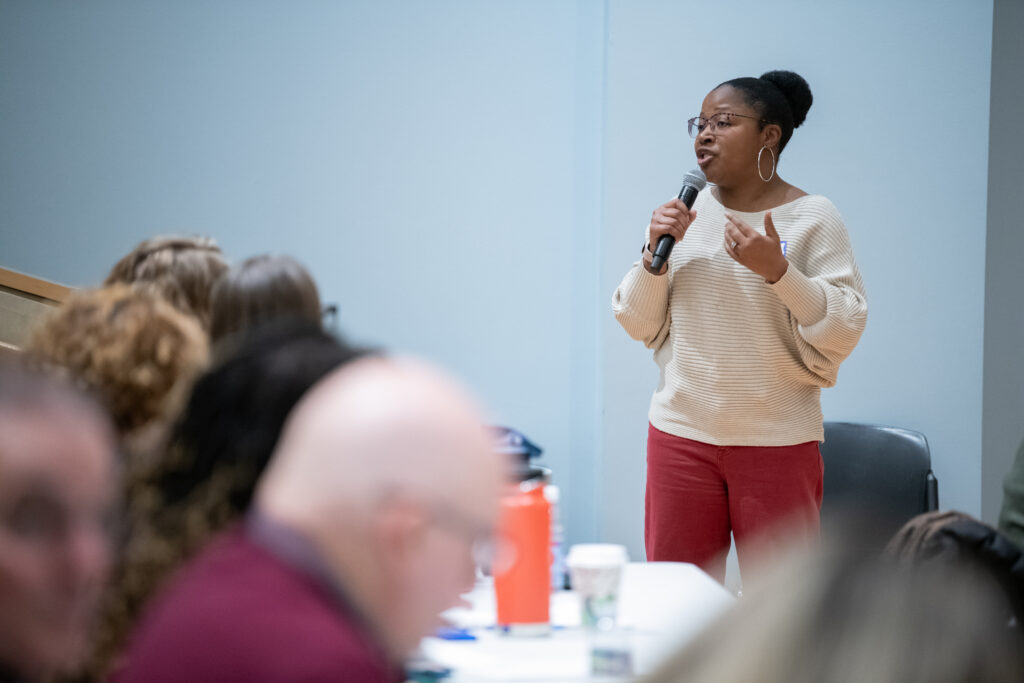
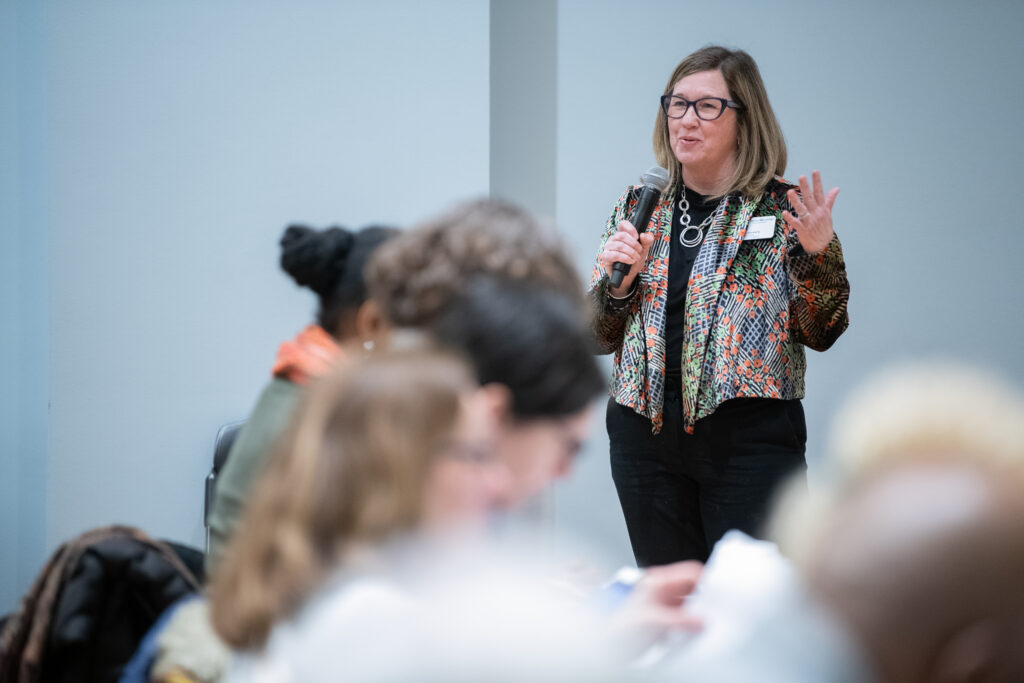
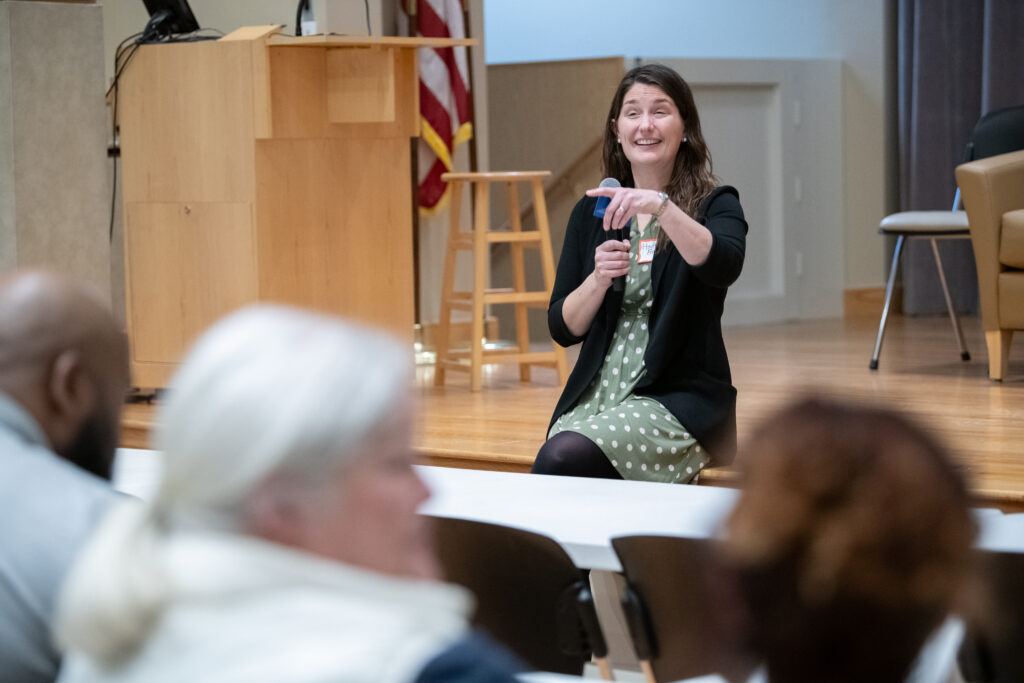
Following the panel discussion, the program shifted to Community Spotlights, giving participants an opportunity to briefly share successful programs, partnerships, and emerging ideas from their own organizations.
Approximately a dozen attendees stepped forward to highlight initiatives ranging from innovative food distribution models to creative approaches addressing specialized needs such as home-delivered meals, zero-waste models, and cross-agency collaboration, showcasing work already making a difference in neighborhoods across the city.
From Conversation to Connection
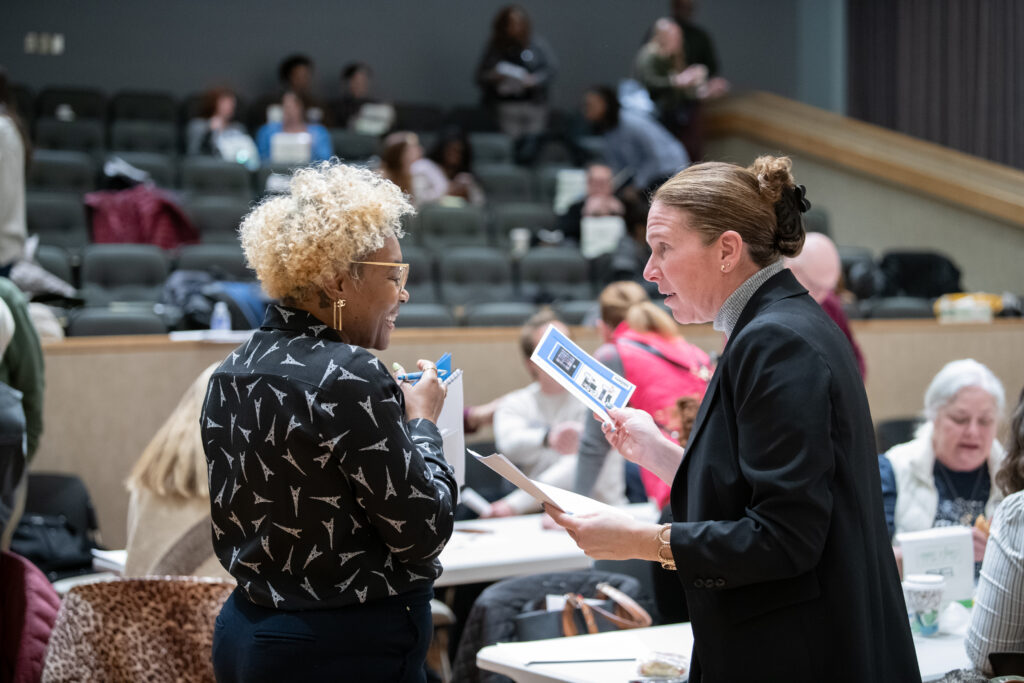
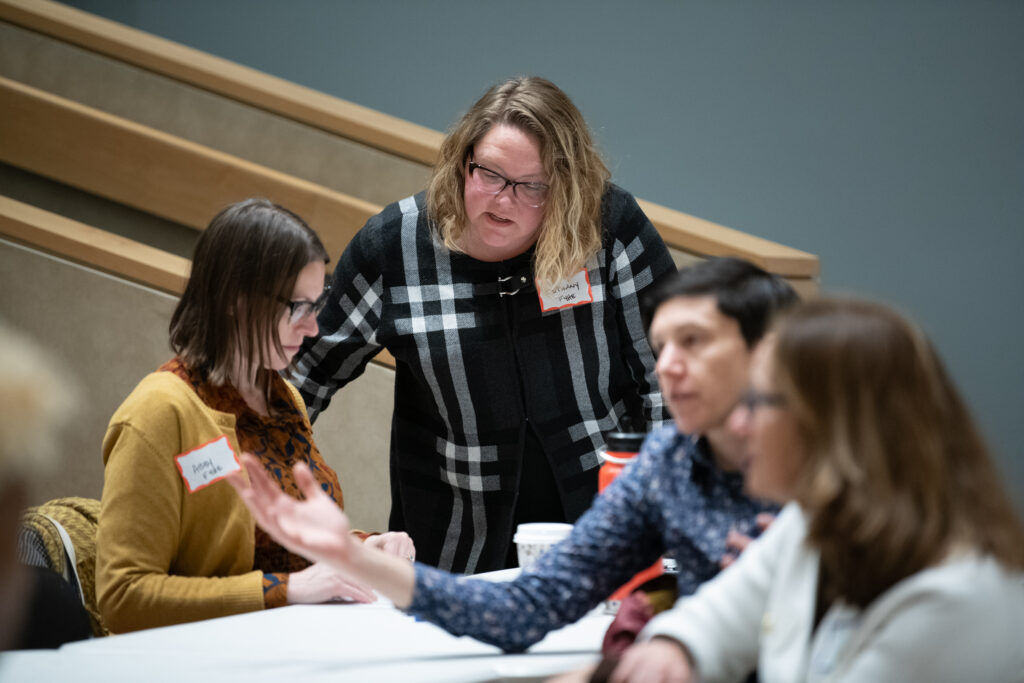
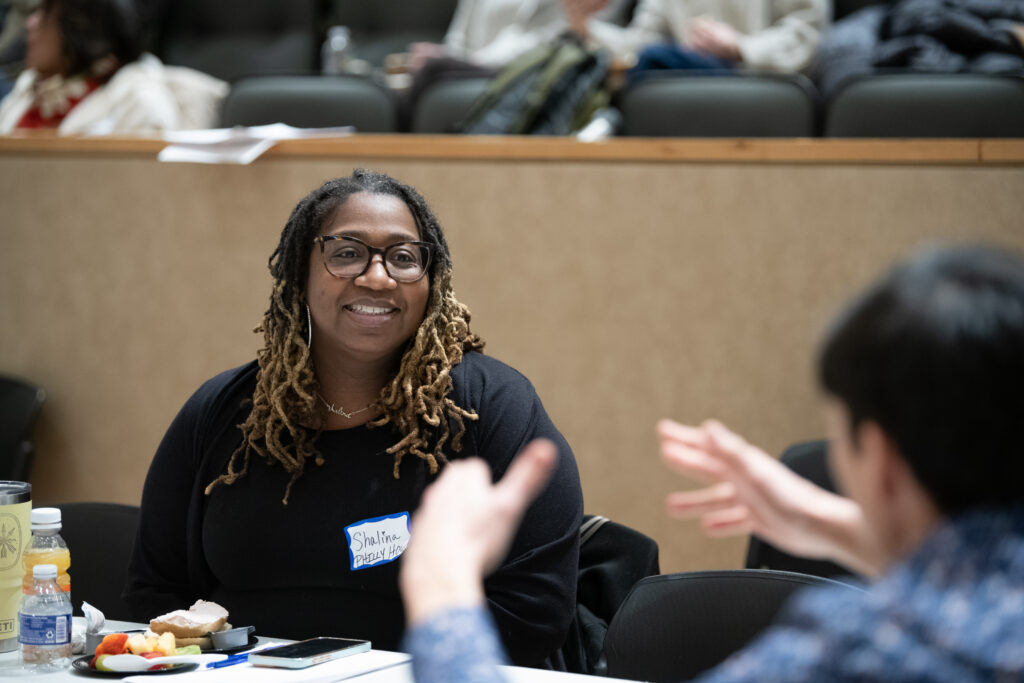
Following the spotlights, participants moved into networking conversations focused on identifying partnership opportunities, shared challenges, and potential pilot projects.
A recurring theme throughout the session was that nonprofit professionals bring extraordinary skill and adaptability to their work—often stretching beyond formal roles to meet urgent needs. Importantly, participants expressed a strong willingness to share knowledge and resources with peers, reinforcing that collaboration is essential to expanding impact.
Finnegan reflected that she hoped attendees would leave feeling less alone in their work and energized to build lasting partnerships. Judging from the warm, engaged energy in the room, many did.
Building Toward Systems Change
The conversation also surfaced longer-term goals, including stronger data-sharing, coordinated advocacy efforts, and system-level improvements that no single organization can accomplish alone.
As Finnegan emphasized, foundations play an important role beyond funding. By listening to partners, recognizing emerging trends, and convening organizations, funders can help transform individual efforts into collective solutions that strengthen systems and accelerate change.
Despite the challenges ahead, participants expressed optimism grounded in experience. Nonprofit partners have navigated crises before—including the COVID-19 pandemic—and have emerged more resilient and innovative. That determination continues to drive efforts to ensure equitable access to nutritious food across Philadelphia.
Continuing the Conversation
The Sarah Ralston Foundation will continue creating opportunities for partners to connect, learn, and collaborate through future Stronger Together sessions.
The next opportunity to gather will be Engaging in Aging: A Volunteer & Donor Expo, hosted in partnership with Philadelphia Corporation for Aging on February 25 from 10 a.m. to 2 p.m. at PCA headquarters. The event will bring together nonprofits serving older adults with volunteers and donors eager to support their work—continuing the shared goal of strengthening services and connections for Philadelphia’s aging population.
Because as this session made clear: when organizations come together, solutions grow stronger—and communities are better served.